- Bot Hurt
- Posts
- The confidence gap
The confidence gap
AI didn’t kill your confidence. It exposed it.
Bot Hurt
January 15, 2026
Don’t get bot hurt. Get bot even.
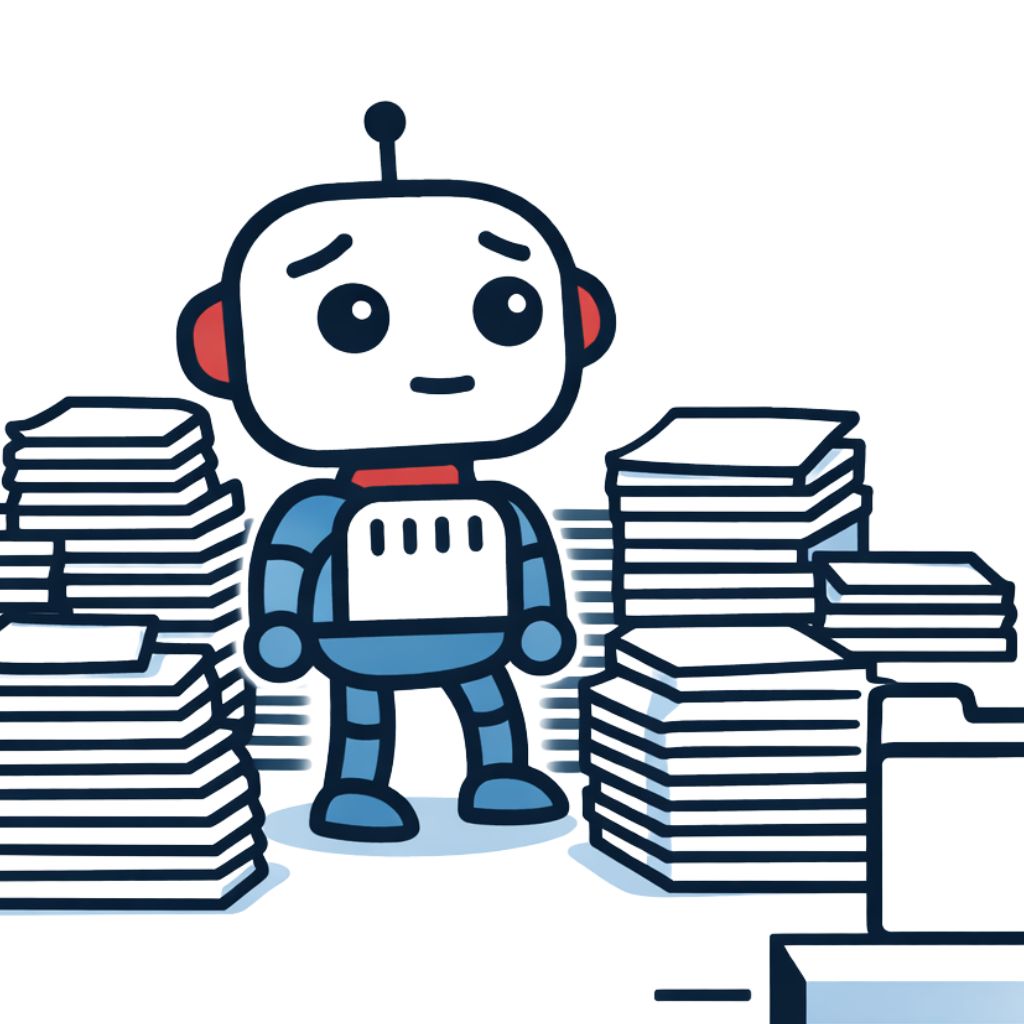
People say AI makes them feel insecure, like it’s a side effect listed on the label.
But what actually happened is simpler. Drafts show up instantly. Options multiply. And the part of the work that used to hide behind effort suddenly has nowhere to go.
The work got faster, and something didn’t keep up.
The blank page isn’t the bottleneck anymore. Variations pile up. The output looks fine, maybe even good. Then everything slows down.
That slowdown is the confidence gap — the space between having something and deciding it’s done, between generating and standing behind the result.
AI didn’t create this gap. It just made it harder to ignore.
Where the gap comes from
For years, effort did a lot of emotional heavy lifting. If something took long enough, we could call it careful. If it stayed unfinished, it could still be promising.
AI removed the waiting room.
Now ideas arrive fully formed. Variations are cheap. Drafts don’t require courage anymore. Decisions do.
When speed outpaces judgment, the gap widens.
Where the gap comes from
For years, effort did a lot of emotional heavy lifting. If something took long enough, we could call it careful. If it stayed unfinished, it could still be promising.
AI removed the waiting room.
Now ideas arrive fully formed. Variations are cheap. Drafts don’t require courage anymore. Decisions do.
When speed outpaces judgment, the gap widens.
A familiar moment
You ask AI to draft a slide deck, a memo, or a client email.
It delivers something clean and structured — technically correct and recognizably “done.” You read it and think, “This works.”
And then you hesitate.
AI can generate endlessly. Humans still have to decide.
You tweak a sentence. Ask for another version. Adjust the tone. Request one more pass — not because anything is broken, but because choosing would mean saying this is the one you’re willing to stand behind.
The discomfort isn’t that the draft is bad. It’s that the decision is yours.
Why this feels personal (even though it isn’t)
AI doesn’t judge your work. It doesn’t know if it’s good. It doesn’t flinch when it misses the point.
You do.
That’s the friction people are reacting to. Not intelligence. Not automation. Exposure.
When everyone can generate something that looks complete, the difference isn’t who used AI. It’s who knows when to stop, cut, choose and stand behind the result.
Confidence now shows up after the draft, not before it.
A quick reality check
If this feels familiar, it’s because it’s not new.
Psychologists have been circling versions of this for decades. Research on decision avoidance and choice overload shows that as options increase, confidence often drops — even when the options themselves improve.
Barry Schwartz made the case years ago in his TED Talk The paradox of choice: when options explode, satisfaction drops and responsibility quietly shifts onto the chooser.
AI didn’t change that rule. It just sped it up.
The skill that closes the gap
Prompting is still the secret sauce. It’s just not the final decision.
Selection is.
Knowing which idea is worth shipping. Which version actually says what you mean. Which output is technically fine but emotionally empty.
AI can generate endlessly. Humans still have to decide.
That decision muscle atrophies if you don’t use it. AI didn’t weaken it. It revealed how much we relied on delay instead.
If you’re new to AI and already feeling behind, here’s the upside: you don’t need to be faster, cleverer, or more technical. You need taste, perspective and a reason for the thing to exist. AI levels the floor. It does not raise the ceiling.
Final bot thought
The uncomfortable part of AI isn’t speed or scale. It’s the moment the work comes back to you and asks you what happens next.
That moment has a name: The confidence gap.
Bot Talk: All right³ — now trademarked
Matthew McConaughey just trademarked his voice — including that iconic “Alright, alright, alright” — to block unauthorized AI clones.
According to The Wall Street Journal, McConaughey secured eight trademarks covering his likeness and voice, giving his team a legal lever to challenge AI-generated replicas used without consent.

This isn’t just celebrity flex. It’s a legal test case. With generative AI making it trivial to clone voices and faces, McConaughey is drawing a clear line: no permission, no use.
He’s not rejecting AI outright — he’s approved licensed synthetic versions of his voice for specific projects — but he is asserting control in a world where identity can be copied with a click.
Identity isn’t just digital data anymore. It’s IP. And now it’s trademarked.
Coming up next week…
Those polished AI “workflows” everywhere? Many of them aren’t moving work forward — they’re just helping us delay the moment of decision.
Next week, we take aim at productivity theater, explain why it feels so good, and give you permission to delete the workflow and finish the thing.
Don’t get bot hurt. Get bot even — alright, alright, alright.